
Asthma is more than an occasional wheeze or a tight chest after climbing stairs. For millions, it is a condition that demands constant vigilance. The World Health Organisation estimates that asthma affects over 363 million people globally and causes more than 450,000 deaths each year, most of which are preventable.
In India alone, approximately 35 million people live with asthma. The country accounts for a staggering 42.4% of global asthma deaths. This year, World Asthma Day falls on 5 May 2026. The Global Initiative for Asthma theme is: “Access to anti-inflammatory inhalers for everyone with asthma, still an urgent need.” Along with medication, understanding what triggers asthma inside our own homes is vital.
Common Triggers for People With Asthma
It surprises many to learn that the air indoors can often be more polluted than the air outside. For someone with asthma, everyday household elements that seem harmless can become serious triggers.
- Dust and dust mites: These microscopic pests feed on dead skin cells and thrive in warm, humid environments like bedding, carpets, and upholstered furniture. Ongoing exposure at home is directly linked to worsening symptoms and frequent asthma attacks.
- Mould and dampness: Mould grows in damp, poorly ventilated spaces like bathrooms and kitchens. Breathing in mould spores can trigger symptoms even in people who are not specifically allergic to mould itself.
- Smoke, fragrances, and chemical irritants: Tobacco smoke is one of the most potent triggers. However, seemingly pleasant items like incense sticks, perfumed candles, aerosol sprays, and strong cleaning products also release particles and volatile organic compounds that irritate sensitive airways.
- Poor ventilation: When windows stay shut, indoor pollutants accumulate. Activities like cooking or showering release moisture into the air. Without adequate ventilation, these pollutants have nowhere to escape, creating a concentrated environment of irritants.
Simple Habits That Can Help Everyone Breathe Easier
The good news is that a few simple changes can significantly improve the quality of indoor air and reduce asthma triggers for the whole family.
Regular damp dusting: Dusting with a dry cloth often just scatters fine particles back into the air. Using a damp cloth instead traps the dust and removes it effectively. Pay special attention to window sills, tops of doors, and skirting boards.
Washing bedding weekly: Dust mites thrive in bedding. Washing sheets, pillowcases, and blankets once a week in water heated to 60 degrees Celsius helps eliminate them. Allergen-proof covers on mattresses and pillows provide an extra layer of protection.
Controlling humidity: Both dust mites and mould flourish in damp conditions. Keeping indoor humidity below 50% makes it harder for these triggers to survive. In humid weather, a dehumidifier helps remove moisture.
Good ventilation: Opening windows improves air quality. However, on days when outdoor pollution or pollen counts are high, it is wiser to ventilate during quieter hours, such as early morning or late evening, when pollutant levels tend to be lower.
Cleaning or replacing carpets: Carpets trap dust, pet dander, and other allergens deep within their fibres. Where possible, hard flooring is a better choice. If carpets must stay, vacuum weekly with a cleaner that has a HEPA filter, as standard vacuums often release fine particles back into the room.
Read more: Improving Indoor Air Quality
Sharp QNET Zensational Air Purifier: The Extra Layer of Protection Every Home Needs
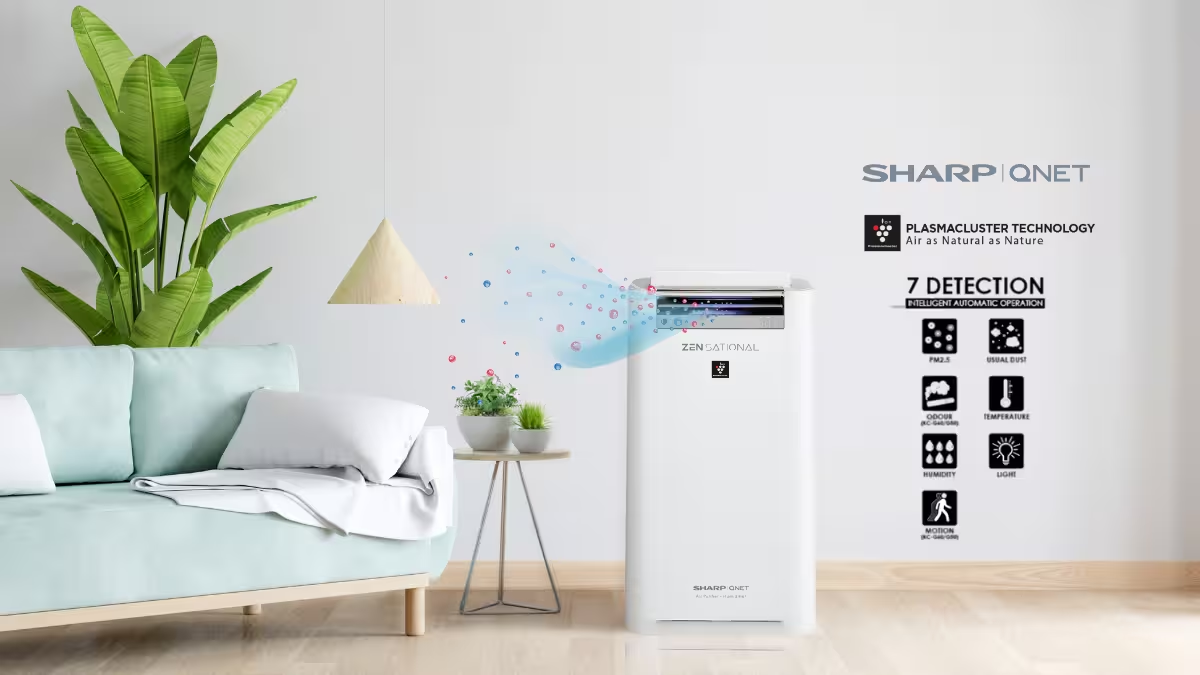
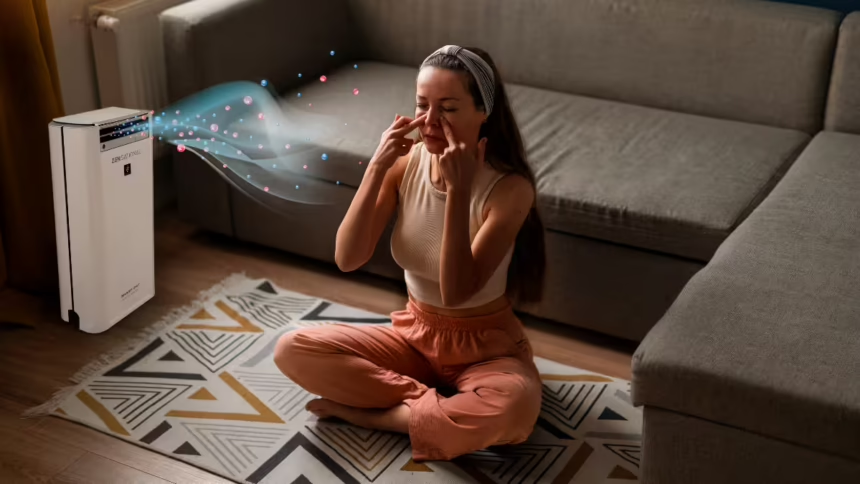
Even with regular cleaning, some particles are too small to see or remove manually. This is where a quality air purifier helps. A common question families ask is: “Can an air purifier remove dust?” With a True HEPA filter, the answer is a definitive yes.
The Sharp QNET Zensational Air Purifier combines Plasmacluster ion technology with a True HEPA filter that captures 99.97% of airborne particles as small as 0.3 microns. This includes dust mite debris, pollen, mould spores, and pet dander.
Sharp’s Plasmacluster technology has been shown to neutralise 29 different types of pathogens present in the air and on household surfaces. Unlike ozone-generating purifiers, which can irritate the lungs and worsen asthma symptoms, this filtration is safe for continuous use. It also features a built-in humidifier, which is helpful because excessively dry air is a known asthma aggravator. For families with children or elderly members, the unit runs quietly enough to leave on through the night without disturbing sleep.
Read more: Stay Safe From India’s Air Pollution Crisis With The SHARP-QNET Zensational Air Purifier
A Season of Better Habits, Starting Today
World Asthma Day is a good moment to look at our homes with fresh eyes. A little extra attention to the air we breathe indoors, whether by dusting with a damp cloth, washing bedding weekly, or investing in a reliable air purifier like the Sharp QNET Zensational, can help make life a little easier for everyone living with asthma. It is not about living in a perfectly sterile bubble. It is about making small, thoughtful choices that add up to calmer, easier breathing for the ones we love.