
Did you know that a standard reverse osmosis(RO) water purifier wastes nearly 3 litres of water for every single litre it purifies? In a country like India, where water scarcity affects over 600 million people, this number is hard to ignore. And yet, most households pour that rejected water straight down the drain, every single day, without a second thought.
The good news is, that water is not dirty or contaminated. It is simply water with a slightly higher concentration of dissolved salts, which is perfectly usable for a surprisingly wide range of everyday tasks. With a few small habit changes, your household can recover and repurpose every drop, making your home not just healthier, but more sustainable.
#1 Mopping Floors
The floor is one of the most water-thirsty chores in any Indian home, and it happens at least once a day. RO reject water works beautifully for mopping, as the slightly elevated mineral content actually has no impact on the cleanliness of your floors whatsoever. Simply collect the reject water in a bucket placed under your purifier’s waste outlet, and use it directly for mopping.
#2 Watering the Garden
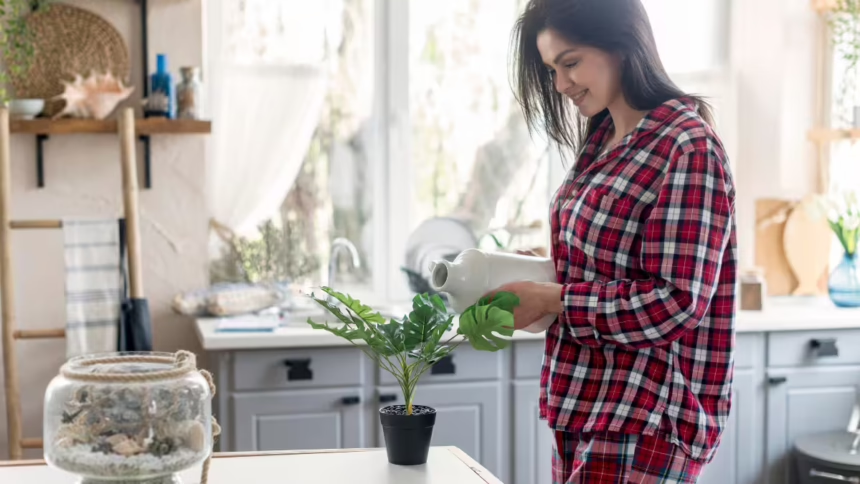
Your terrace garden, your balcony pots, your kitchen herb corners, they are all thirsty, and RO reject water can feed them well. The slightly higher TDS (Total Dissolved Solids) level in reject water is generally within a safe range for most common plants like money plants, ferns, and flowering shrubs. The key is moderation and rotation. Avoid using only reject water for salt-sensitive plants over long periods, and consider alternating with rainwater or regular tap water. But for the vast majority of everyday gardening, reject water is a great resource.
#3 Washing the Car and the Courtyard
Washing down the driveway, scrubbing the car’s tyres and undercarriage, cleaning the garage floor, rinsing off outdoor furniture — none of these tasks require purified water. So you can divert your RO reject water into outdoor cleaning routines. A large storage container kept near the purifier, drained and replenished daily, can serve as a dedicated outdoor cleaning reservoir. It is also a smart way to save on the water bill!
#4 Toilet Flushing
Toilets account for a significant amount of water usage in any average home. Globally, each flush uses between 6 to 10 litres of water. Using RO reject water for flushing is one of the highest-impact shifts a household can make, and it requires almost no behavioural change once the system is in place. Some households install a small holding tank that automatically collects reject water and feeds it into the flush cistern. Others simply keep a bucket near the toilet for manual flushing. Both approaches work quite well, and the environmental math is undeniable.
#5 Pre-Rinsing Dishes and Soaking Vessels
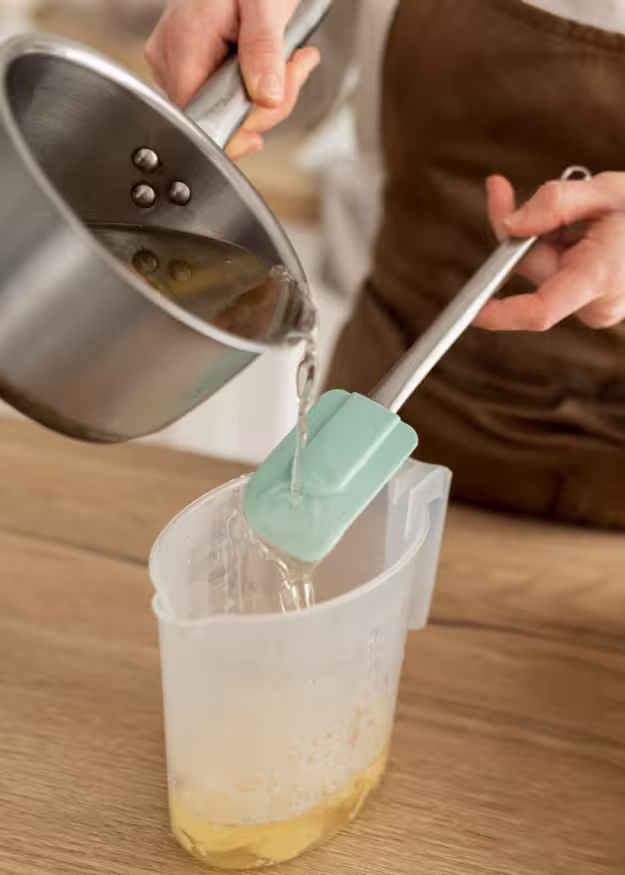
Before dishes go under the tap for a proper wash, they almost always need a rinse to remove leftover food. That initial rinse, which requires no soap and no purity, is a perfect use for RO reject water. The same logic applies to soaking vessels overnight, rinsing vegetables before they go under potable water, or cleaning the sink itself. Small substitutions like these can build into meaningful water savings over a month.
Before Reuse Comes Reliability – Need for a Trusted Water Purifier
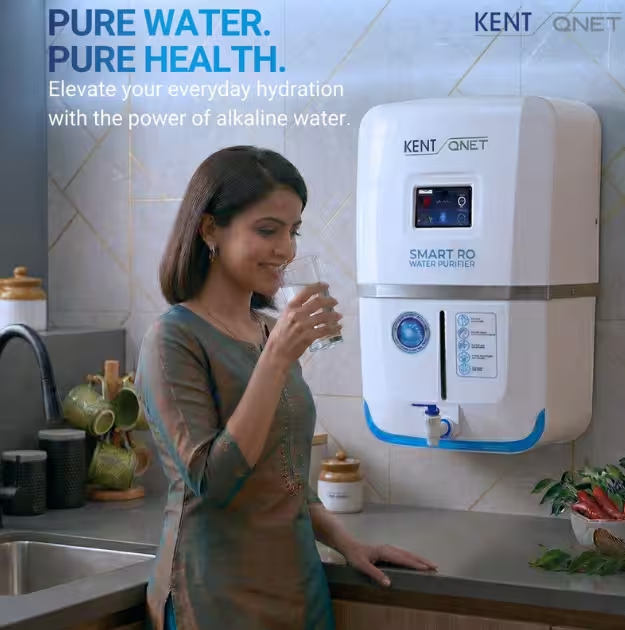
All of this, of course, rests on one important premise that the water being purified is actually safe to drink. Reusing reject water makes sense only when your purifier is doing its job properly. This is where investing in a reliable, high-performance system like the RO water purifier Kent QNET becomes essential. Equipped with advanced RO + UV + UF purification technology, it removes dissolved impurities, bacteria, viruses, and heavy metals, ensuring the water your family drinks meets the highest safety standards. Its alkaline water with the right pH levels in your water helps reduce the risk of certain health problems, like as acid reflux and kidney stones.
When you have a trusted water purification system, you can manage the full water cycle at home with confidence. Decide what goes in, what comes out purified, and what gets reused smartly at home.
Water conservation can start small. Your RO water purifier, often thought of as a source of waste, can become one of the most productive appliances in your home if you choose to see that rejected water not as a byproduct, but as a resource waiting to be used.
Start with one habit. Add another next week. Before long, your home will be running on far less water than before.
Also read: How the KENT QNET Water Purifier Supports Your Health Goals