Did you know your bones are constantly renewing themselves? They are continuously being broken down and rebuilt in tiny amounts. This process continues throughout life, but the balance between building and losing bone gradually shifts as you age.
Before about age 30, when bones typically reach peak bone mass (which varies from person to person), the body is creating new bone faster, but after age 30, the bone building balance naturally shifts, and more bone is lost than gained.
It is no coincidence that with ageing, diminishing bone health is also accompanied by reduced energy, increased fatigue, an increase in digestive problems, and an increase in maladies associated with a weakening immune system. When you lose too much bone or make too little bone, or both, that’s when Osteoporosis can set in, causing bones to become weak and brittle, allowing them to fracture more easily.
By the time we begin to think about our bones, we may have already suffered serious damage. You need to protect your bones from an early age. If you are in your twenties or thirties, you can take active steps to prevent future problems. If you are older, you can take a few simple steps to prevent or slow bone loss.
Additionally, the nutrients you consume in early adulthood play an important role in building and maintaining bone strength, and in India, the diet leaves identifiable gaps. The Indian Council of Medical Research-National Institute of Nutrition’s 2020 guidelines set the calcium requirement for adults at 1,000 mg a day, yet Indians typically consume only 300 to 500 mg a day, and a review of Indian studies reported vitamin D deficiency at a prevalence of 70% to 100%.
The six steps below address these gaps one at a time.
1. Close the Calcium Gap With Calcium-Rich Foods
Calcium is essential for the development of teeth and bones, and dairy is the obvious source, although a glass of milk provides roughly 250 mg, which means around three servings a day to reach 1,000 mg from milk alone. Lactose intolerance limits milk intake for many people, and the high phytate content of cereal based Indian meals reduces the calcium the body can absorb. Ragi, which contains almost 400 mg per 100 grams, along with leaves such as amaranth, fenugreek and mustard, almonds, broccoli, kale and tofu, helps close the distance for vegetarians.
2. Treat Vitamin D, and Its Partner Vitamin K2, as Seriously as Calcium
Vitamin D is needed for the body to absorb calcium, and vegetarians can be especially affected, with an analysis in Indian Paediatrics finding deficiency in 26.9% of vegetarian adolescents against 20.6% of non-vegetarian adolescents. Sensible midday sun exposure helps, and a doctor can advise on a vitamin D test. Vitamin K2 also supports bone mineralisation, and a 2022 study found that K2 supplementation improved lumbar spine bone mineral density in postmenopausal women, which makes it an important nutrient to consider.
3. Build Strength Through Weight-Bearing Exercise
A sedentary lifestyle is a recognised risk factor for osteoporosis, and weight-bearing activities such as walking, jogging, tennis and climbing stairs help build bone and slow its loss.
Also read: Strong from Within with Bone Health I QNET Knowledge Series
4. Quit Smoking to Protect Calcium Absorption
Studies have linked smoking to reduced calcium absorption and lower bone mass, which compounds the dietary gaps described above and makes quitting worthwhile at any age.
5. Keep Alcohol Within Moderation
Heavy alcohol consumption is associated with bone loss, partly because it interferes with the work of vitamin D, which makes moderation especially essential where vitamin D status is already low.
6. Choose Calcium Supplements Wisely
Where diet and sunshine fall short, a bone health supplement can bridge the gap, and the form of calcium one must consume is important because it determines how much the body absorbs. In a human study in Calcified Tissue International, calcium from calcium citrate malate was absorbed significantly better than calcium from calcium carbonate or milk.
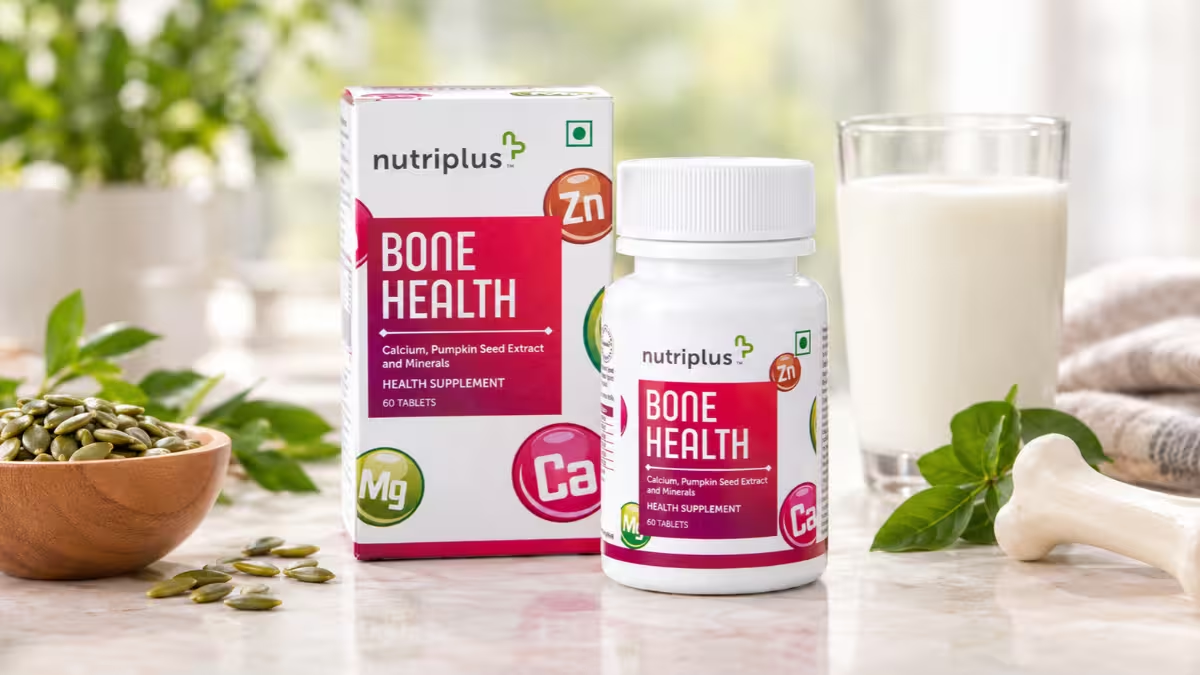
Nutriplus BoneHealth provides its calcium as calcium citrate malate, a highly bioavailable form, together with magnesium, zinc, vitamin C and vitamin D, which supports the bone health goals described above. Anyone concerned about bone health or osteoporosis risk should consult a doctor, who can test vitamin D status and advise on the right dose.