

Honey has been treasured in Indian households for centuries, not just as a natural sweetener but as a remedy passed down through generations. But have you ever wondered why some honey tastes floral whilst others have a more robust, earthy flavour? The answer lies in understanding the different types of honey and what makes each one unique.
Understanding Honey: Raw vs Processed
Before diving into the varieties, it’s important to understand what separates high-quality honey from the rest. Raw honey retains beneficial enzymes, antioxidants, and pollen that are often destroyed during commercial processing. These natural compounds are what give honey its powerful health benefits, like boosting immunity, supporting wound healing, etc.
Processed honey, on the other hand, undergoes heating and ultra-filtration, which removes many of these beneficial properties. Whilst it may have a longer shelf life and clearer appearance, it loses much of its nutritional value in the process. When choosing honey for health purposes, raw and minimally processed options are always the better choice.
Monofloral vs Multifloral Honey: What’s the Difference?
The primary distinction in honey types comes down to the nectar source.
Monofloral honey is produced when bees collect nectar predominantly from a single type of flower. This gives the honey a distinct flavour profile and concentrated health properties specific to that plant source. Research shows that monofloral honey has gained significant interest due to phytochemicals directly linked to health benefits, including wound healing, antioxidant, anticancer, and anti-inflammatory activities.
Multifloral honey comes from the nectar of multiple flower sources. Whilst it still offers general health benefits, its properties are more diluted compared to monofloral varieties.
What Type of Honey Should You Choose?

In monofloral honey, bees forage on a single flower source, so each variety develops unique, concentrated wellness properties that you won’t find in multifloral blends. This means that you’re getting targeted, plant-specific benefits tailored to your wellness needs. Whether you’re seeking respiratory support, digestive relief, or immune boosting, monofloral honey allows you to choose the exact variety that aligns with your health goals.
If you’re looking to experience the holistic benefits of monofloral honey, Nutriplus Monofloral Honey offers an exceptional range of carefully sourced varieties. Each bottle is sourced responsibly, tested thoroughly, and packed with the goodness of nature, ensuring that what you consume is both authentic and beneficial.
Also read: 6 Effective Ways to Store Honey and Keep It Fresh Longer
The Nutriplus Monofloral Honey collection by QNET India features varieties that bring their own distinct flavour and wellness benefits to your daily routine. Here are some of the most sought-after types:
1. Tulsi Honey
Tulsi is revered in Indian culture for its medicinal properties, and tulsi honey carries forward the same legacy. With its herbal notes and respiratory benefits, this honey is very popular during seasonal transitions.
2. Ramtil Honey
With a distinctly aromatic profile, ramtil honey offers earthy, robust notes that make it a versatile addition to your wellness range. Known for its rich mineral content, ramtil honey is valued for supporting overall vitality and energy.
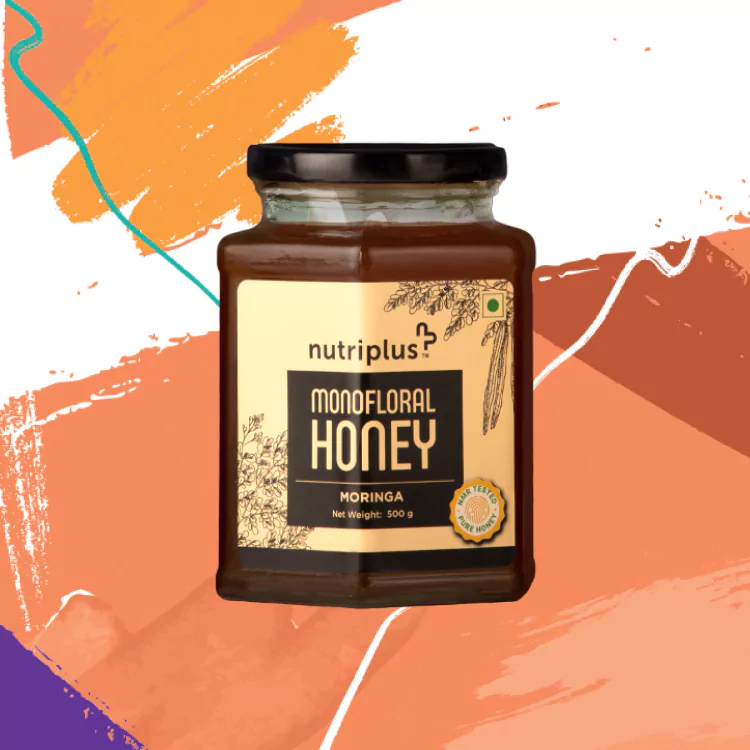
3. Moringa Honey
Rich in nutrients and antioxidants, moringa honey captures the powerhouse properties of the moringa leaf. This honey is prized for its potential to support energy levels, promote skin health, and provide nutritional support for your daily wellness routine.
4. Karanj Honey
With a unique, bold flavour profile, karanj honey brings concentrated wellness benefits traditionally valued in Ayurveda. It is known to support skin health and overall vitality,
5. Coriander Honey
Light and subtly aromatic, coriander honey offers a unique flavour profile that complements both traditional wellness practices and modern palates. This variety is traditionally associated with digestive support and is particularly popular for those seeking gentle, everyday wellness.
Health Benefits of Monofloral Honey
The health benefits of honey extend far beyond being a natural sweetener, offering benefits like:
1. Immune System Support – Honey’s phytochemicals contribute to its antimicrobial and anti-inflammatory properties, helping the body defend against infections and seasonal illnesses.
2. Digestive Health – Raw honey contains prebiotics that support gut bacteria, aiding in smoother digestion and nutrient absorption.
3. Antioxidant Power – The polyphenols in honey help combat oxidative stress, which is linked to chronic inflammation.
4. Natural Energy – Unlike refined sugars that cause energy crashes, honey provides a steady release of natural sugars that fuel your body sustainably throughout the day.
5. Wound Healing – Honey’s antibacterial properties have been used traditionally for wound care, and modern research continues to support these applications.
The key is choosing raw, minimally processed honey from trusted sources. When honey retains its natural compounds, you’re getting nature’s full benefit – not just empty sweetness.
Read more: Nutriplus Monofloral Honey: A Superfood Backed by Nature