

The awareness around wellness is rising, but it is still a fragmented concept. Many people think of fitness as something that happens in a gym, view mindfulness as a luxury they practice once in a while and treat nutrition as secondary to taste. This separation of physical health, mental clarity, and nourishment has left individuals with incomplete strategies that don’t support sustained long-term health. On International Mind-Body Wellness Day, it is important to reflect on how these pieces of wellness can connect and how an integrated lifestyle approach can lead to deeper, lasting health benefits.
Why Mind-Body Wellness Matters Today
Wellness is no longer a niche interest for a small group of enthusiasts. It has become a meaningful part of daily life for millions of people around the world, and global indicators reflect this shift. According to the Global Wellness Institute, the global wellness economy reached $6.3 trillion in 2023 and is expected to grow to $9.0 trillion by 2028, driven largely by increasing attention to preventive health, mental wellness, and lifestyle choices that support long-term wellbeing.
These numbers signal a broader change in how individuals think about health. Across multiple markets, wellness spending now rivals traditional healthcare costs, and consumers are directing more of their budgets toward products and habits that support both physical and mental well-being.
Despite this growth, there remains a disconnect between awareness and action. International Mind-Body Wellness Day encourages us to bridge these gaps by recognising that lasting health emerges when movement, nourishment, and mindful living are aligned.
The Role of Movement and Mindfulness
Movement and mindfulness are central to this holistic approach. Practices such as yoga, tai chi, and mindful stretching combine physical activity with breath awareness and mental presence. Research has shown that integrating movement with intentional breathing and focus helps reduce stress hormones, enhances resilience, and improves both emotional well-being and physical flexibility. Regular practice supports deeper sleep, sharper focus, and greater emotional balance, which are essential for handling the demands of modern life.
Meditative practices and intentional rest are equally important. Mindfulness, in its many forms, teaches individuals to observe thoughts and sensations without judgment, reducing the impact of stress on the body and the mind. With the rise in mental health awareness, mindfulness is becoming a mainstream self-care tool and is now part of everyday routines for millions of people seeking clarity and calm amidst constant stimuli.
Nutrition: A Core Component of Long-Term Wellbeing
Nutrition is often overlooked in fragmented wellness strategies, but it plays an equally vital role in long-term health. Eating well supports energy levels, immune function, and metabolic balance. However, contemporary lifestyles make consistent, balanced eating a challenge. Poor dietary choices or irregular meal patterns can undermine even the most diligent fitness or mindfulness practices.
Functional nutrition and supplementation have grown in importance as consumers seek targeted support for specific health needs, including immunity, metabolic balance, etc.
QNET India’s Nutriplus health supplements provide everyday nutritional support that complements holistic habits. For those seeking immune resilience, ImmunHealth offers a blend of nutrients that support immune cell function and defence mechanisms. Individuals focused on metabolic balance can benefit from DiabaHealth, formulated to assist healthy blood sugar levels. BoneHealth provides essential minerals and vitamins that help maintain strong bones and joints, while SkinHealth delivers antioxidants and micronutrients that nourish skin from within. Supplements like these can integrate seamlessly into daily wellness practices, supporting nutrient needs that diet alone may not fully cover.

Encouraging Mindful Eating with Better Choices
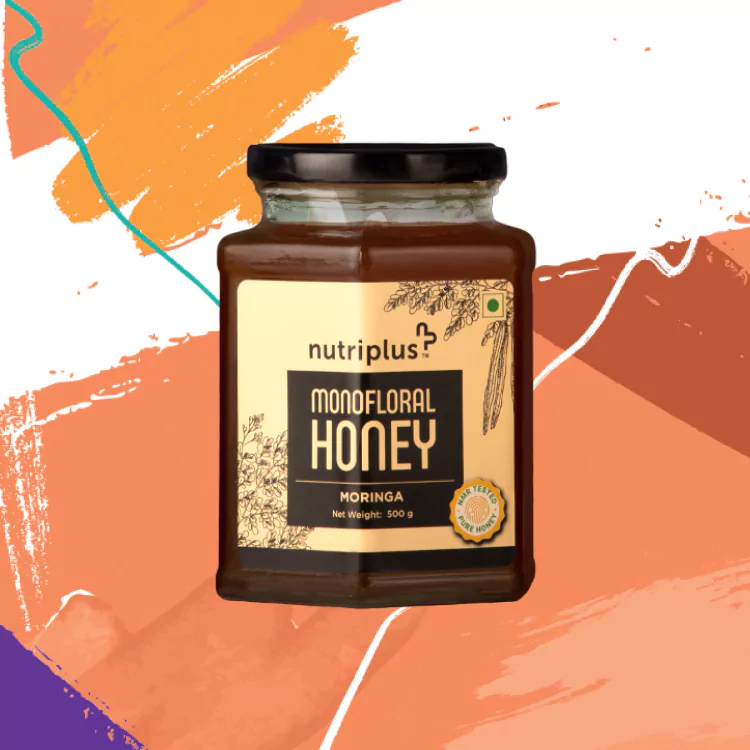
Mindful eating is the practice of paying attention to what and how we eat, recognising hunger cues, and choosing foods that nourish both body and mind. Small choices in everyday meals can collectively shape long-term health. For those who seek alternatives to traditional sweeteners, products like Nutriplus Monofloral Honey and Natose Stevia present healthier options that align with mindful eating principles.
Monofloral honey comes from a single floral source, resulting in distinct flavours and nutrient profiles that elevate simple recipes without relying on refined sugar. Varieties such as Kanraj, Coriander, Tulsi, Ramtil and Moringa monofloral honey offer natural sweetness and nutrients that make everyday meals more enjoyable and nutritious. Natose Stevia, a plant-based sweetener, provides a low-calorie alternative that helps reduce overall sugar intake while preserving taste.
Making Wellness a Lifestyle
Long-term health is a result of consistent choices made every day. Aligning mindful movement, balanced nutrition, and habits that support both body and mind offers a sustainable path to lifelong wellbeing. This integrated approach is the foundation of holistic wellness and the reason why individuals worldwide continue to invest in practices and products that support long-term health.
Also read: Supporting Elderly Health and Wellness